
Quick Summary
Intentional living products that actually work replace a daily task you already perform rather than adding a new routine to manage. Judge each one by whether it solves a specific daily task, whether its material and construction are clear, and whether it stays useful after the novelty fades. Start with one room and the most frustrating daily habit.
- Choose a product that replaces something you already do, not an aspirational habit.
- Compare cost per use: a cheap item used daily can outperform an expensive one rarely touched.
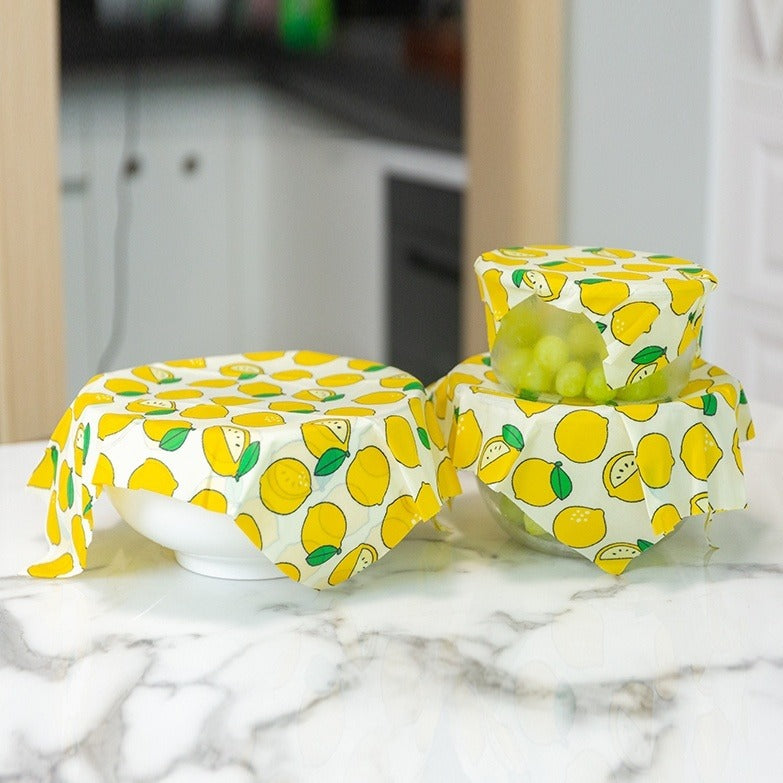
- Cotton Beeswax Fresh-Keeping Cloths come in three sizes and are designed to replace plastic wrap.
- Buy one item for the task causing the most friction each morning, not a whole set at once.
- Test a habit with a free or low-cost alternative, like a washed mason jar, before spending.
Table of Contents
- What Makes an Intentional Living Product Earn Its Place
- Slow Living Products and Minimalist Home Essentials Worth Keeping
- Sustainable Home Goods and Intentional Living Tools Compared
- Choosing Your First Piece for a Calmer Home
- Frequently Asked Questions
What Makes an Intentional Living Product Earn Its Place
Last Updated: November 15, 2026
Intentional living products that work remove a daily friction rather than adding another object to manage. At Needful Things, we curate for function first.
That gap between intent and use is where most "intentional" buys fail. A product earns its place when it replaces something you already do and you'll reach for it on an ordinary Tuesday. We judge each item on three questions: does it solve a specific daily task, is the material and construction clear from the listing, and will it still be useful after the novelty fades.
Slow Living Products and Minimalist Home Essentials Worth Keeping
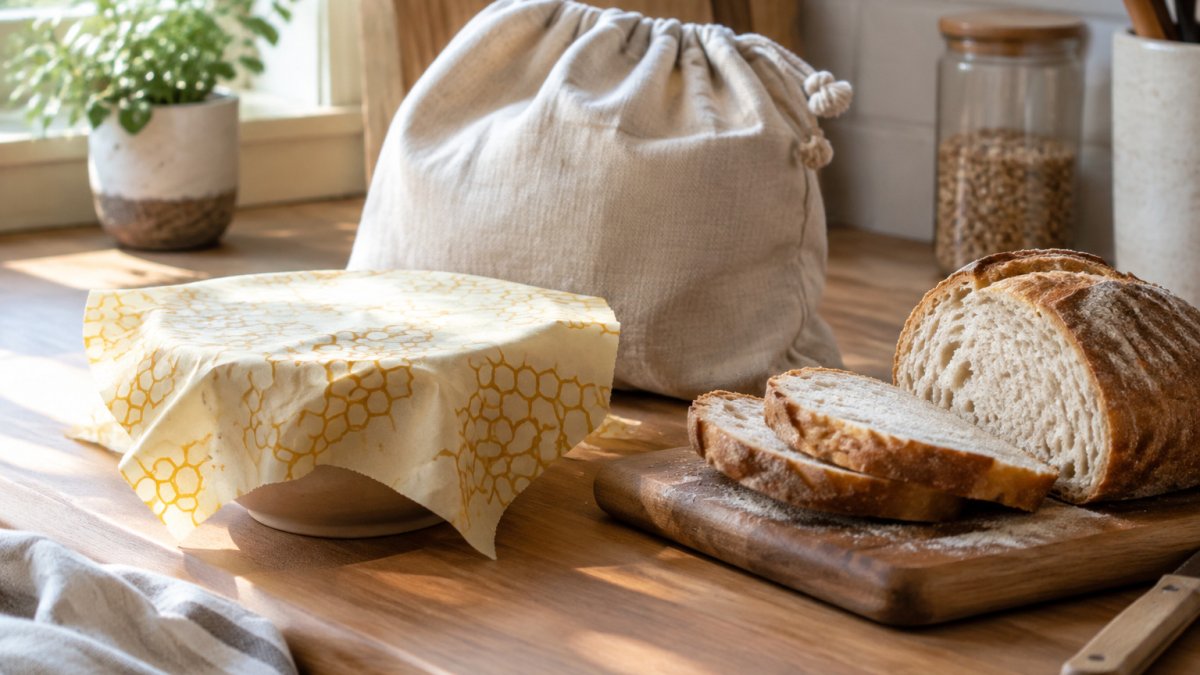
Start with the kitchen, where a single swap can cut recurring waste. Our Cotton Beeswax Fresh-Keeping Cloth is made from organic cotton and food-grade beeswax, with three reusable cloths in 18x20 cm, 25x28 cm, and 33x36 cm sizes, designed to replace plastic wrap. For bread, the Cotton Linen Bread Bag uses a snap closure and TPU drawstring for secure freshness, and is made from durable, breathable materials suited to sourdough and other breads.

Sustainable Home Goods and Intentional Living Tools Compared
Choosing sustainable home goods means comparing the job each tool does, not just its material.
| Product | Starting Price | Best For | Main Trade-off | Cost-Per-Use Check |
|---|---|---|---|---|
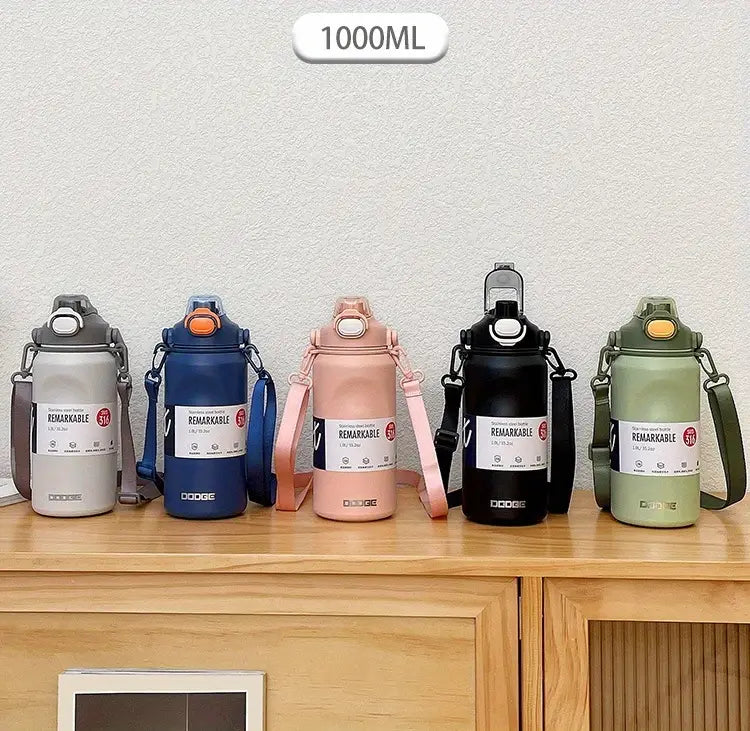
| Large-Capacity Portable Thermos Cup with Straw | 79.28 | Daily hydration at home and on the go | Higher upfront cost | Replaces daily disposable cups; pays back over months of routine use |
| 3 IN 1 Foldable Wireless Charger | 27.30 | Charging iPhone, Apple Watch and AirPods together | Works with listed iPhone models | Consolidates three cables; value depends on owning all three devices |
| CrystalClear Microfiber Cloths | 0.90 | Cleaning screens and lenses | Low cost, easy to lose | Ten-cloth set replaces paper towels and lens wipes; lowest risk to try |
Starting Price
The thermos cup, available in White, Black, Pink, Green, and Blue, is a large-capacity insulated cup for home and outdoor use. The wireless charger is compact and foldable for home, office, or travel, with a magnetic fit for compatible iPhone models (iPhone 16, 15, 14, 13 Pro). For lower-cost cleaning, the CrystalClear Microfiber Cloths set of ten fits in pockets and bags.
Cost per use is a useful test: a cheap cloth you use daily can be worth more than an expensive item you rarely touch.
Watch out: a product that requires a new routine you don't already have will sit unused no matter how well it is made. Match the purchase to an existing habit, not an aspirational one.
Choosing Your First Piece for a Calmer Home
Start with one room and one daily routine. Buying a whole set at once rarely produces a calmer home and often adds clutter. Pick the task that causes the most friction each morning, such as packing lunch or charging devices, and replace one item there first. The table below maps common goals to a product that addresses them directly, plus a free or low-cost alternative so you can test the habit before spending.
| Your Goal | Product That Fits | Free or Low-Cost Alternative |
|---|---|---|
| Reduce screen time at night | 3 IN 1 Foldable Wireless Charger placed outside the bedroom | Charge devices in another room; use a $0 cable station by the door |
| Pack lunches with less waste | Cotton Beeswax Fresh-Keeping Cloth and Cotton Linen Bread Bag | Reuse glass jars and clean takeout containers you already own |
| Drink more water at home | Large-Capacity Portable Thermos Cup with Straw | A washed glass bottle or mason jar with a lid |
| Keep surfaces and screens clean | CrystalClear Microfiber Cloths | Cut up worn cotton T-shirts into rags |
| Plan routines and meals | A paper notebook and pen | A notes app on a device you already own |
If your home is small, decluttering before buying is the more important step. A helpful next read is How to Declutter Small Apartments Effectively, which covers sorting before you add anything new.
Frequently Asked Questions
How can I live more intentionally?
Start by noticing which daily routines feel rushed or cluttered, then change one of them at a time. Replace a single-use item with a reusable one, set a fixed time for a recurring task, and remove one object from a crowded surface. Small, repeated changes are easier to keep than a full overhaul, and each one gives you a clear reason to keep or drop what you own.
How do I choose useful products without adding clutter?
Ask what job the product does that you currently do by hand or with something worse, and whether you will use it at least weekly. Choose items that replace existing things rather than sit beside them. Compact, multi-use products tend to add less clutter than single-purpose gadgets.
Are minimalist products worth buying?
Sometimes. A minimalist product is worth buying when it removes a recurring friction, such as a set of reusable microfiber cloths in a pocket-sized format for cleaning glasses and screens on the go. It is less worth buying when it only changes how a shelf looks. Check whether you would miss it after a month, because that is the real test of usefulness.
